Lodi highlight
Historic downtown
Lodi's downtown developed as a Central Pacific Railroad station in the 1800s and became incorporated as a city, with historic civic and commercial buildings that remain landmarks.
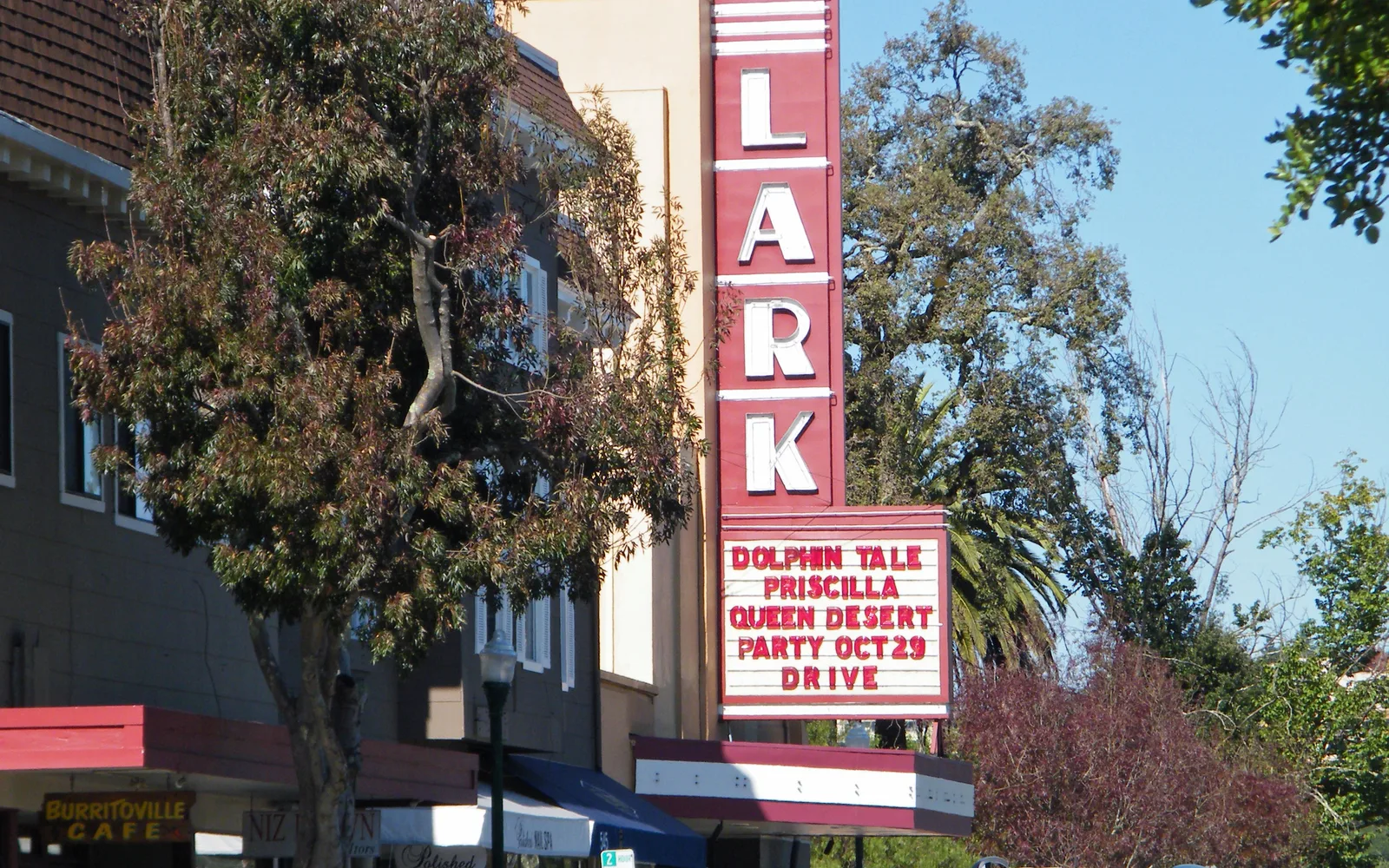
Lodi's downtown grew around the Central Pacific Railroad station, which brought commerce and families to the area. The town layout, with its downtown streets and blocks, reflects the systematic planning that railroad towns required in the 19th century. Early businesses included freight operations, saloons, general stores and service businesses supporting both the railroad and the agricultural hinterland. As the town stabilized and grew, merchants and civic leaders invested in permanent structures: brick buildings that lasted, civic institutions that attracted residents to stay and build lives.
The heart of downtown Lodi has seen multiple generations of business ownership and family residence. Historic buildings that once housed general stores, banks and offices now operate as restaurants, galleries, and local services. People who grew up in Lodi often return to open businesses downtown or buy homes on the streets where they played as children. This continuity of ownership and residence creates a community where people know their neighbors and have stakes in how the neighborhood develops.
Downtown Lodi is a place where people's lives accumulate over time: first jobs downtown, meeting a spouse on a downtown street, opening a business, raising children to walk those same blocks. The businesses and homes represent the owner's income and equity, often accumulated over years of work. Life insurance planning for a business owner or household earner protects that accumulated work and ensures that if something happens to them, the people and businesses they've built are not at risk.