Lodi highlight
Lodi wine region
A winegrape region with over 82,000 acres of vineyards and seven designated appellations, recognized as an American Viticultural Area since 1986.
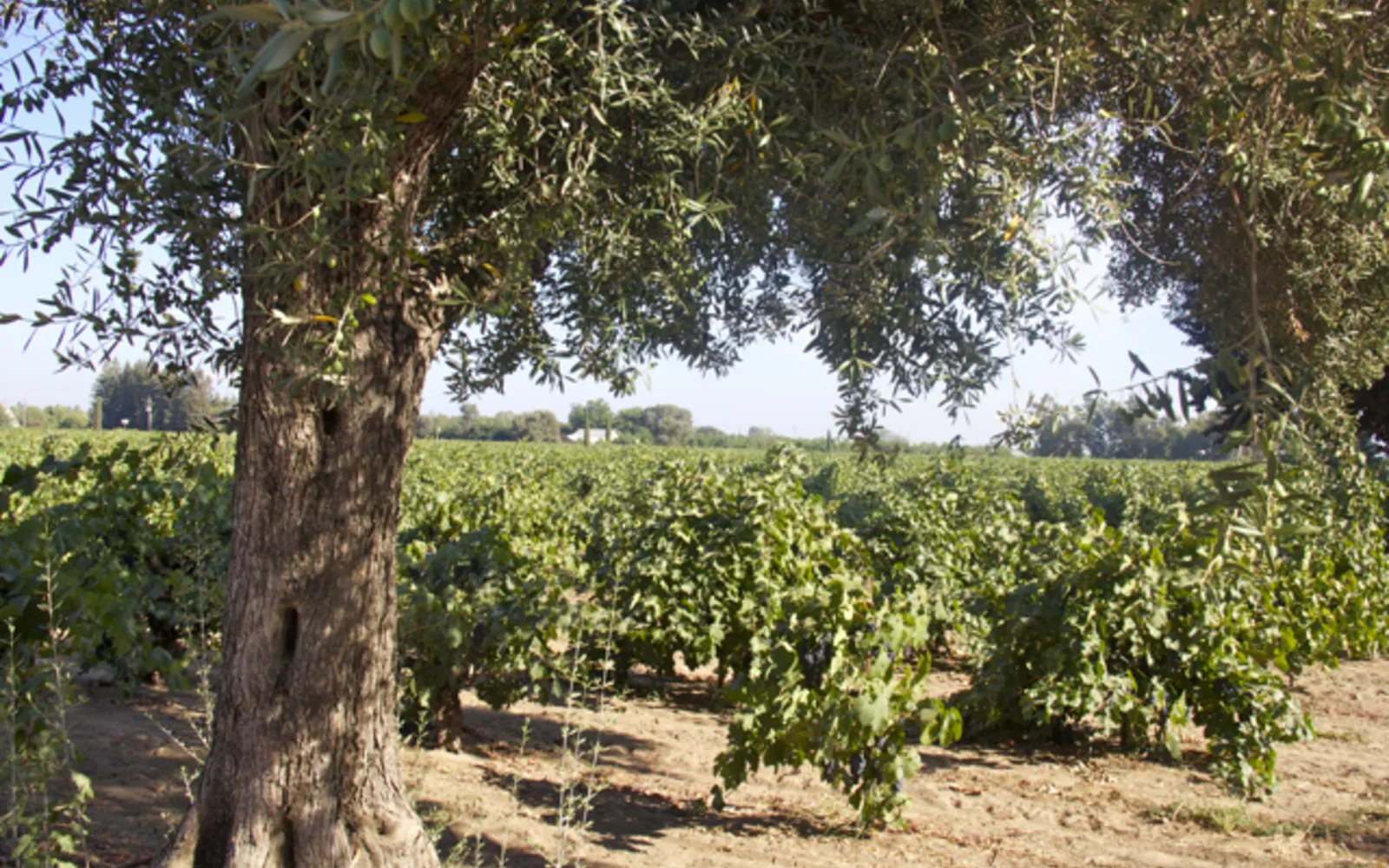
The Lodi American Viticultural Area encompasses approximately 550,000 acres in San Joaquin County, about 90 miles east of San Francisco Bay. The region received official appellation status in February 1986, and in 2006 it was subdivided into seven smaller appellations based on differences in soil, climate and topography: Mokelumne River, Clements Hills, Borden Ranch, Sloughhouse, Jahant, Cosumnes River, and Alta Mesa. The area's deep, fine sandy loam soil naturally resists destructive pests like phylloxera, which has allowed vineyards planted more than a century ago to remain productive without replanting.
Lodi's winegrowing heritage reflects five generations of family stewardship. Early European settlers arrived in the area in 1846, and vineyard cultivation grew alongside cattle ranching and grain farming. By the 1880s, Zinfandel and Flame Tokay became the signature varieties, and the region now cultivates over 100 grape varieties from around the world. The Lodi Winegrape Commission, established in 1991, has worked to raise awareness of the region's quality; today Lodi produces roughly 40 percent of California's premium Zinfandel and holds the state's highest concentration of own-rooted heritage vineyards.
Wine country becomes part of a family's identity: learning to prune in childhood, hosting harvest dinners, passing the vineyard to the next generation. Those traditions represent a continuity that life insurance planning protects. A family with deep roots in Lodi's vineyards or supporting businesses depends on income and stability in the years when the vineyard is most valuable and the family is most committed to its future.